


EXW vs FOB vs CIF vs DDP is the first trap in China sourcing. Our Suzhou team sees buyers pick the cheapest quote, then watch hidden charges erase every saving.
EXW vs FOB vs CIF vs DDP is a spectrum of responsibility. Most new importers should use DDP for simplicity, ocean-freight buyers should use FOB for balanced control, CIF suits buyers who can handle destination customs, and EXW fits only experienced importers with a trusted freight forwarder.
This guide breaks the four terms down in plain English. I will show who pays for what, where risk transfers, and which term fits your shipment. I will also flag the traps we see most often when clients ask us to compare EXW vs FOB vs CIF vs DDP quotes side by side.
What's the real difference between EXW, FOB, CIF, and DDP when I calculate my landed cost?
A US hardware importer recently sent us three quotes for the same metal fittings: one EXW, one FOB Shanghai, one DDP. He asked which was cheapest. Nobody could tell yet.
The difference is what each quote excludes. EXW excludes everything after the factory gate. FOB excludes ocean freight, insurance, and all destination costs. CIF excludes import duties, customs clearance, and inland delivery. DDP includes nearly everything, so it sits closest to your true landed cost.

Think of the four terms as one responsibility line that moves from the factory gate to your door. Each term slides that line further toward you or further toward the seller:
- EXW (Ex Works): you take over at the seller's premises.
- FOB (Free On Board): you take over once goods are loaded on the vessel.
- CIF (Cost, Insurance, and Freight): the seller pays freight and minimum marine insurance to the port of destination; you take over there.
- DDP (Delivered Duty Paid): the seller delivers to your named address with duties paid.
Cost responsibility at a glance
| Cost component | EXW | FOB | CIF | DDP |
|---|---|---|---|---|
| Pickup at factory | Buyer | Seller | Seller | Seller |
| Export customs clearance | Buyer | Seller | Seller | Seller |
| Main ocean freight | Buyer | Buyer | Seller | Seller |
| Marine insurance | Buyer | Buyer | Seller (minimum cover) | Seller |
| Import customs clearance | Buyer | Buyer | Buyer | Seller |
| Import duties and taxes 1 | Buyer | Buyer | Buyer | Seller |
| Delivery to final address | Buyer | Buyer | Buyer | Seller |
Why the lowest quote misleads
EXW always shows the lowest unit price. But once you add origin pickup, export formalities, freight, customs clearance, and final delivery, the total often lands above the FOB figure for the same goods. CIF has its own trap. Freight included does not mean fully delivered. Some carriers offering cheap CIF rates recover margin through inflated destination charges, which buyers describe as hostage fees because the cargo cannot be released until they are paid. A newer development helps here: some importers now run CIF quotes through AI-driven logistics platforms that use historical port data to predict destination surcharges before the contract is signed. DDP, meanwhile, usually carries a visible premium over FOB because it bundles duties and delivery into one number. One more point matters. ICC Incoterms 2020 2 defines cost and risk allocation only. It says nothing about product quality, payment terms, or when ownership transfers, so you still need those in your purchase contract.
Which Incoterm gives me more control over quality and shipping before my goods leave China?
Last month our inspector measured metal clasp fittings with a digital caliper at a Jiangsu factory. That pre-shipment check happened because the buyer's Incoterm left control at origin.
EXW and FOB give importers the most control before goods leave China. Under both, you appoint the freight forwarder, schedule pre-shipment inspections, and control the booking. FOB is usually the practical choice because the seller still handles export clearance and delivers the goods onto the vessel.

Control at origin is not abstract. It decides whether you have time to fix problems before the container closes. When we run a pre-shipment inspection and a batch of fittings fails a tolerance check, the buyer needs room to demand rework. Under FOB, your freight forwarder 3 holds the booking, so you can delay the sailing until the goods pass. Under CIF or DDP, the seller controls the clock, and the temptation to ship anyway is real.
Control levers by Incoterm
| Control lever | EXW | FOB | CIF | DDP |
|---|---|---|---|---|
| Choice of freight forwarder | Buyer | Buyer | Seller | Seller |
| Booking and sailing schedule | Buyer | Buyer | Seller | Seller |
| Inspection window before loading | Widest | Wide | Tighter | Depends on seller |
| Control of the bill of lading | Buyer's forwarder | Buyer's forwarder | Seller's forwarder | Seller |
| Transfer of risk point | Factory gate | Loaded on vessel | Loaded on vessel | Final destination |
FOB remains the industry standard for containerized sea freight for exactly this reason. You control the main freight leg and the bill of lading through your own forwarder, while the supplier handles export-side paperwork it does every day.
Why FCA deserves a look
For containerized cargo, ICC Incoterms 2020 guidance actually points to FCA over FOB. Under FCA, risk transfers when the carrier receives your container, not when it crosses the ship's rail. Containers often sit at terminals for days, and FCA closes that liability gap.
The ESG angle
One newer factor: under EXW or FOB, you arrange the international freight leg, so reporting the carbon emissions of that leg falls on you under mandates like the EU's CSRD. Buyers with ESG obligations should factor this into their supply chain management 4 before choosing a term.
Should I choose DDP if I don't want to manage customs and freight coordination myself?
When we coordinate DDP shipments for e-commerce clients, we weigh one trade-off constantly: convenience on the buyer's side versus visibility into what the delivered price actually contains.
Yes, DDP fits importers who want one delivered price with no freight or customs coordination. The seller handles export clearance, shipping, import duties and taxes, and final delivery. Just verify the seller's customs compliance, because misdeclared goods can still create seizures and penalties in your market.
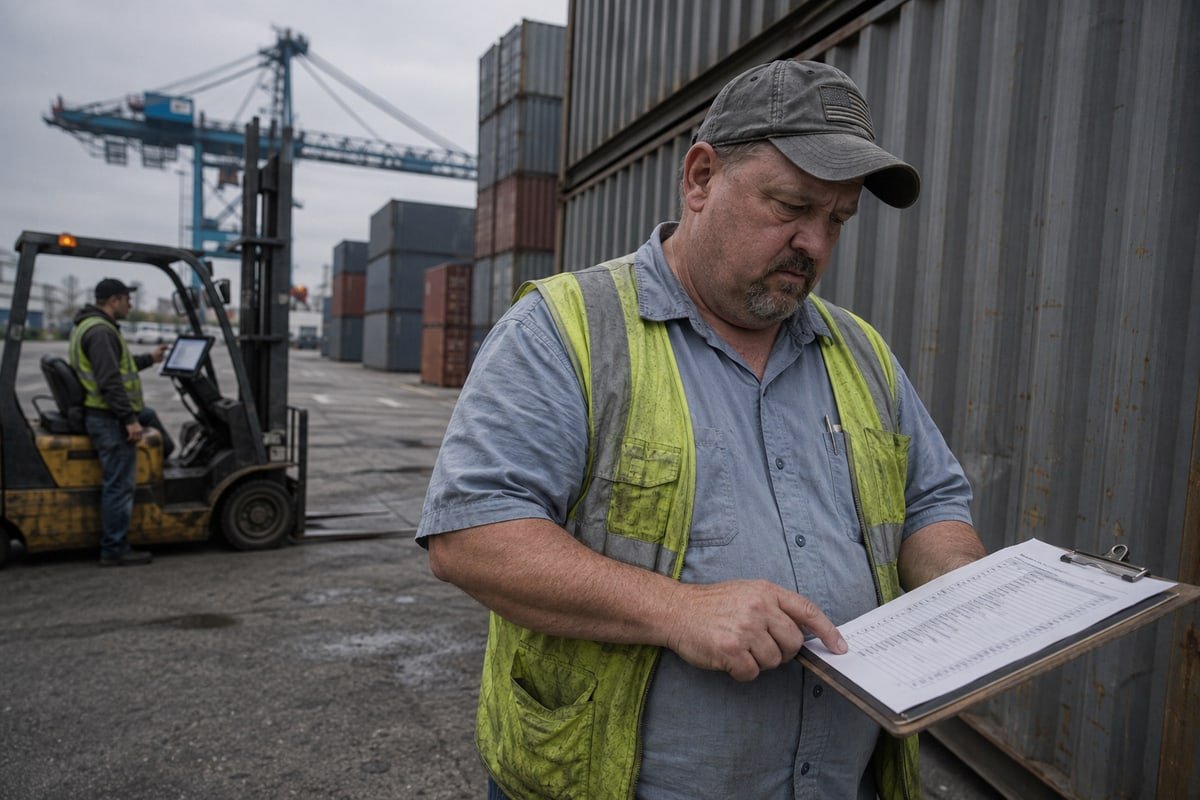
DDP is the most buyer-friendly point on the spectrum. It works especially well for e-commerce sellers and Amazon FBA businesses, because goods arrive at the warehouse or fulfillment center with nothing left to coordinate. Many of our smaller clients start this way. They get one predictable number and one party to hold accountable, which effectively outsources a slice of their supply chain management to the China side.
But I push back on two lazy assumptions. The first is that DDP is automatically the safest choice. It is the simplest, not the safest. If the seller or its agent misdeclares values or HS codes to cut import duties and taxes, your goods can be seized and your business can face penalties, even though you never touched the customs entry. The second assumption is that the DDP price is fair by default. Sellers can pad the logistics margin inside the quote, and you lose visibility over carrier choice and customs strategy. Interestingly, some importers now use DDP deliberately for another reason: it can shift the legal burden of packaging waste rules and take-back schemes onto the international seller in certain markets.
Five checks before accepting a DDP quote
- Confirm who acts as the importer of record in your country.
- Request a breakdown: goods, freight, duties, final delivery.
- Verify that declared values and HS codes match reality.
- Check packaging and EPR registrations where your market requires them.
- Benchmark the DDP price against a self-built FOB landed cost at least once a year.
What hidden risks do I take on if I import under EXW instead of FOB or CIF?
One lesson from years of consolidating orders in the Yangtze River Delta: EXW cargo gets stuck at origin more often than any other term we handle.
Under EXW you take on export clearance in China, loading risk at the factory, and full logistics liability for freight, marine insurance, import customs, and final delivery. Risk transfers at the seller's premises, so any mistake from the factory gate onward is yours, not the supplier's.
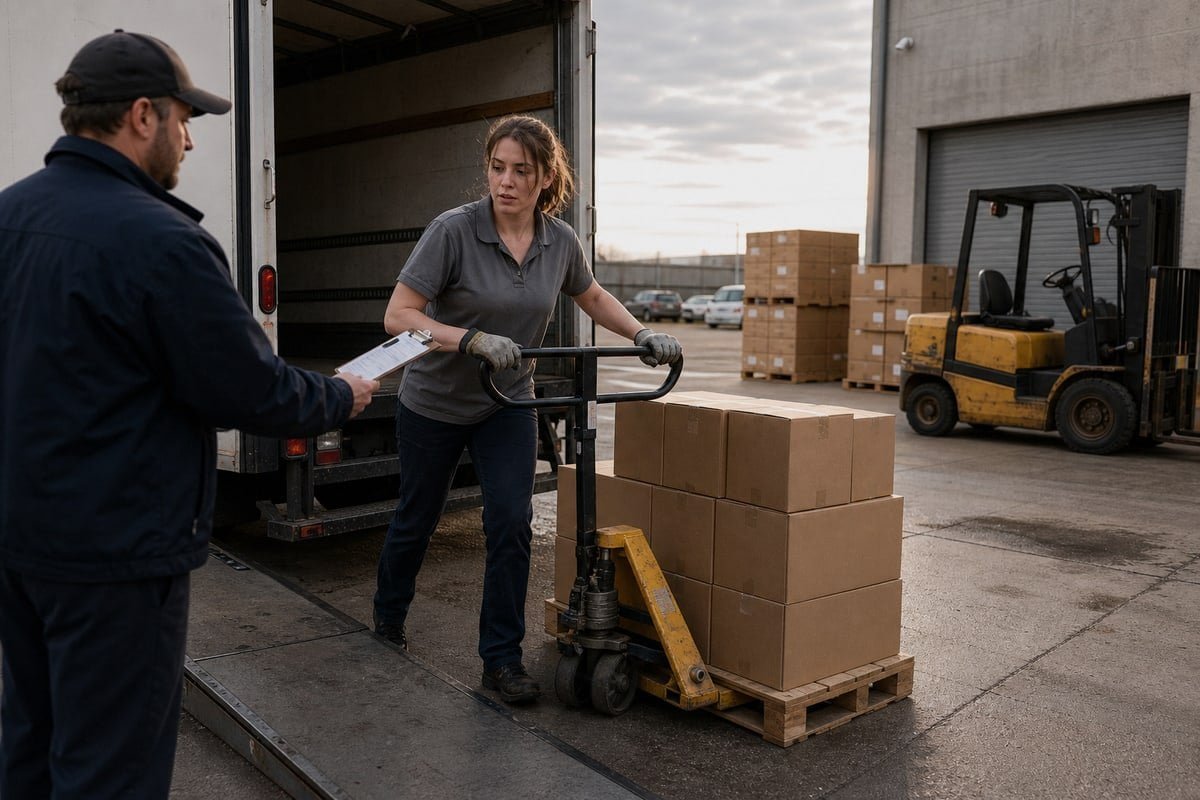
EXW looks attractive because the unit price is the lowest number on the table. In practice, it hands you a chain of obligations inside a foreign country. Export customs clearance in China needs a licensed exporter of record and correct shipping documentation. Many domestic suppliers, especially those selling on 1688, are not set up to export at all, and some resist cooperating because the paperwork affects their VAT position. We have seen buyers win a great EXW price and then spend weeks finding someone legally able to move the cargo out of the country.
The EXW risk map
| Hidden risk | What happens under EXW | How to reduce it |
|---|---|---|
| Export formalities | You must arrange the export declaration and licenses in China | Switch to FOB or FCA, or appoint a licensed China-side agent |
| Loading liability | Transfer of risk occurs before loading; damage on the truck is yours | Agree loading responsibility in writing in the purchase order |
| Documentation gaps | You chase invoices, packing lists, and certificates from a supplier with no obligation to help | Make document delivery a payment condition |
| Insurance gap | Cover must start at the factory gate, not the port | Buy warehouse-to-warehouse marine insurance |
| Digital title exposure | As trade digitizes, interception of electronic bills of lading becomes your problem earlier in the chain | Work with a freight forwarder using a secure eB/L platform |
None of this means EXW is always wrong. Experienced importers with a strong freight forwarder use it deliberately, because it delivers maximum control and full price transparency on every leg. Our position is simpler: if you cannot name who will handle each row in that table before you sign, EXW is the wrong term for you, and FOB or FCA will cost less in total than the problems you avoid.
Conclusion
Match the Incoterm to your capability, not the lowest quote. If you want one China-side team to compare quotes, control quality, and coordinate freight, that is exactly what we do.
Footnotes
1. Official EU documentation on the calculation and application of customs duties for imported goods. ↩︎
2. Official source for the Incoterms rules used globally in international trade contracts. ↩︎
3. Comprehensive overview of the role and responsibilities of freight forwarders in global shipping. ↩︎
4. US government guidance on how Incoterms impact international logistics and supply chain responsibilities. ↩︎